
Thanks to the important collaboration between the Musée d'Orsay and the Complesso del Vittoriano introduces this important exhibitions about masters of Impressionism
The exhibition draws a portrait of Parisian society of the late nineteenth century. A society crossed by the great changes artistic, cultural and social that the Impressionists were exponents and witnesses, thanks to masterpieces from one of the core principles of the Musée d'Orsay, the Impressionist collections.
Edited By Xavier Rey, director and conservator of the department of painting in the Musée d'Orsay, and edited by Ophélie Ferlier, conservator of the sculpture department in the Musée d'Orsay. The exhibition explains 60 years of French painting(1860-1919) during which it was born and developed impressionist painting and at the end the development of post-impressionism.
Edouard Manet, Pierre-Auguste Renoir, Edgar Degas, Frederic Bazille, Camille Pissarro, Paul Cézanne, Berthe Morisot: these, among others, the artists present at the Vittoriano, a collection of more than sixty works, including ten sculptures .
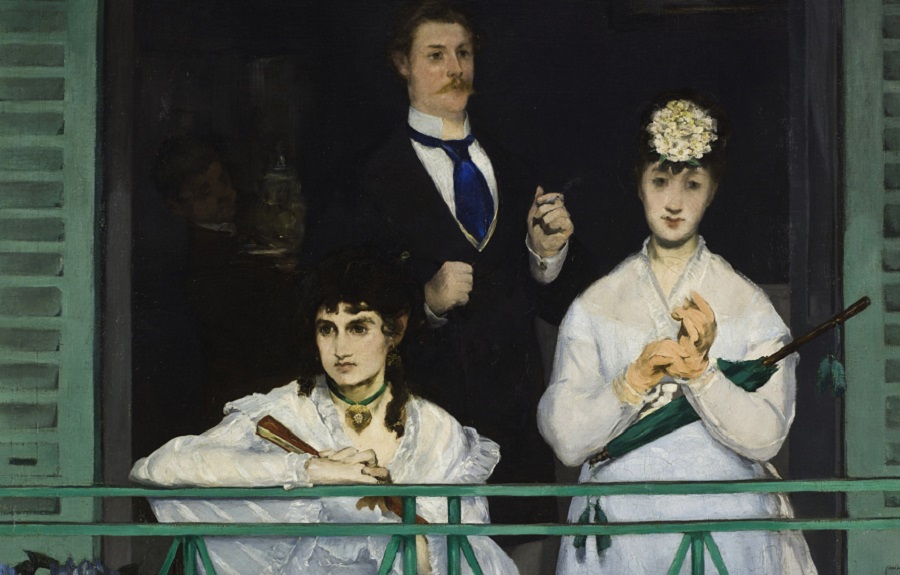
The selected works, some have become true icons of Impressionism, highlight the innovative aspects of the artistic movement and intensify, at the same time, the connotations of the individual personality. You can admire the artists gathered around Manet portraits Atelier Bazille, but also Berthe Morisot immortalized in the famous Balcon of Manet and the young unknown from Montmartre captured in a conversation of the swing of Renoir.
As stated Charles Baudelaire, personality key in spreading among the artists that will be defined Impressionists: "true painter is one who knows how to grab the side of the epic life of every day and knows us how great we are and poetic in our ties and our shoes painted ". And, with him, Zola wrote in his Salon of 1875: "The portraits, the paintings of everyday life, should, by their very nature, represent modernity."


Did you take part? Leave a comment (